
What Is IVF and When Is It Recommended?
In vitro fertilisation (IVF) is a fertility treatment where eggs are collected from the ovaries and fertilised with sperm in a laboratory. The resulting embryos are then transferred into the womb to try to achieve pregnancy.
In the UK, IVF is used when natural conception or simpler fertility treatments haven’t worked. It may also help people who:
- Have blocked fallopian tubes or severe endometriosis
- Experience unexplained infertility
- Have male-factor issues such as low sperm count or motility
- Are using donor eggs or sperm
- Are same-sex couples or single people planning families
While IVF can seem complex, knowing what happens at each stage can make the process feel much less daunting.
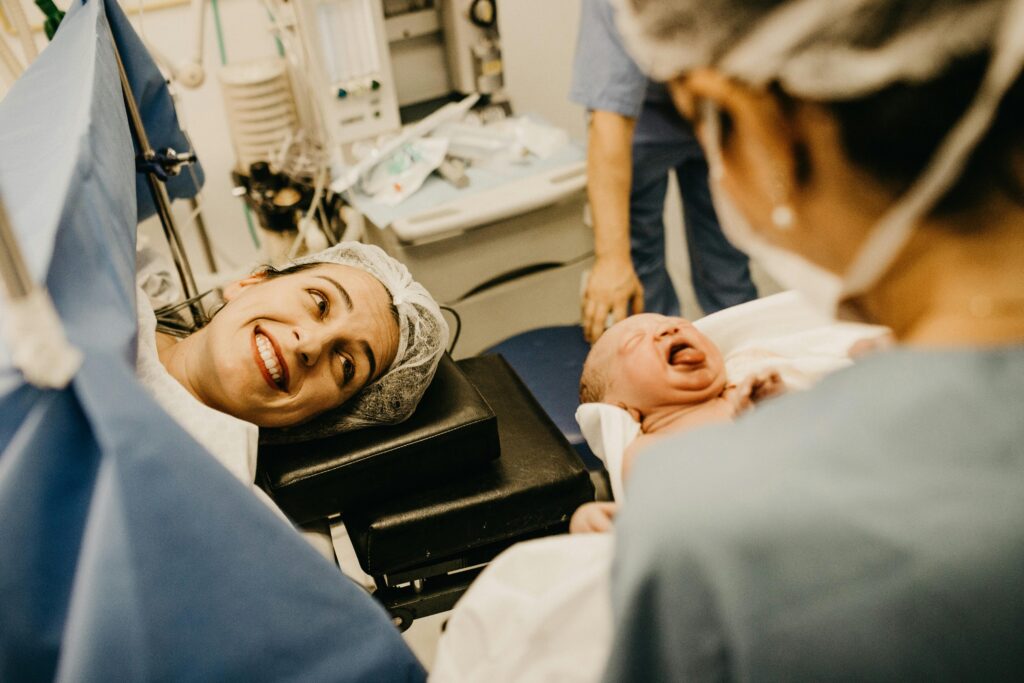
Step 1: Initial Consultation and Fertility Assessment
Your journey begins with a consultation at a fertility clinic — NHS or private. A specialist will review your medical history, discuss previous treatments, and arrange tests such as:
- Blood tests (e.g. AMH, FSH, LH) to check ovarian reserve and hormone balance
- Ultrasound scans to look at the ovaries, follicles and womb lining
- Semen analysis to assess sperm count and quality
- Occasionally, tubal or infection screening
These results help your clinician design a tailored plan. Depending on your circumstances, they may recommend standard IVF, ICSI (intracytoplasmic sperm injection) or, in some cases, egg or sperm donation.
If you’re eligible for NHS funding, the number of funded cycles depends on your Integrated Care Board (ICB) and factors such as age and previous children. Many people, however, choose or need to self-fund through private clinics, where a single IVF cycle typically costs £4,000–£6,000, excluding medication.
Step 2: Ovarian Stimulation
Next, you’ll begin hormonal stimulation to encourage the ovaries to produce several mature eggs instead of the usual one.
You’ll self-administer daily gonadotrophin injections for around 8–14 days while attending regular ultrasound scans and blood tests to monitor follicle growth.
When the follicles reach the right size, you’ll be given a trigger injection (usually hCG) to finalise egg maturation. Egg collection happens roughly 36 hours later.
Step 3: Egg Collection
Egg collection is carried out under light sedation or general anaesthetic. Using an ultrasound-guided needle, your clinician gently retrieves eggs from the follicles.
The procedure takes about 20–30 minutes, and you’ll rest for an hour or two before heading home the same day. Mild cramping or bloating afterwards is normal.
If a partner’s or donor’s sperm is being used, a sample is produced or thawed on the same day.
Step 4: Fertilisation and Embryo Development
In the laboratory, the eggs are combined with sperm in carefully controlled conditions.
- In standard IVF, sperm and eggs are placed together to fertilise naturally.
- In ICSI, a single sperm is injected directly into each egg — often used where sperm count or motility is low.
Over the next few days, embryologists check which eggs fertilise and monitor their progress. By day 3–5, embryos that reach the blastocyst stage are considered for transfer.
High-quality embryos not used immediately can be frozen for future attempts — a service regulated by the Human Fertilisation and Embryology Authority (HFEA), which governs all UK fertility clinics.
Step 5: Embryo Transfer
Embryo transfer is a simple, mostly painless procedure similar to a smear test. Using a fine catheter, the embryologist places one (occasionally two) embryos into the uterus.
Most UK clinics recommend single embryo transfer to minimise the risk of twins or triplets. The process takes only a few minutes and doesn’t require anaesthetic.
You’ll then begin progesterone supplementation (via pessaries, gel, or injections) to support the uterine lining and help the embryo implant.
Step 6: The Two-Week Wait
After transfer comes the hardest part for many people — the two-week wait. During this time, you’ll continue progesterone and try to maintain a calm routine while your body decides whether implantation will occur.
It’s common to experience mild cramping, breast tenderness or spotting. These can happen in both successful and unsuccessful cycles, so try not to over-interpret symptoms.
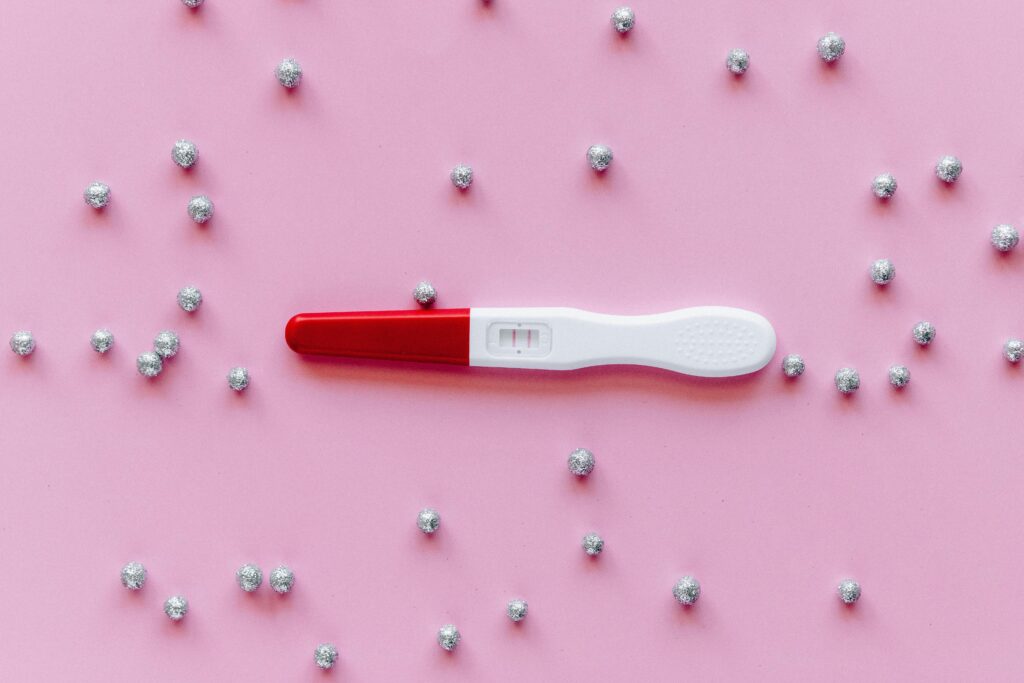
Most clinics schedule a pregnancy test (hCG blood test or home kit) 10–14 days after transfer.
Step 7: Pregnancy Test and Follow-Up
If the result is positive, congratulations! You’ll be booked for an early pregnancy scan around two weeks later to confirm the embryo’s growth and heartbeat.
If negative, your care team will review the cycle with you and discuss next steps — whether to use a frozen embryo, adjust medication, or try another approach.
IVF success rates vary depending on age, egg quality and clinic. According to the HFEA, the average live-birth rate per embryo transferred in the UK is roughly:
- 32% for women under 35
- 25% for ages 35–37
- 15% for ages 38–39
- <10% over 40
Many patients require more than one cycle before conceiving.
Emotional and Practical Support
IVF can be physically and emotionally draining. Most UK clinics offer access to fertility counsellors, and some local NHS trusts provide psychological support. Charities like Fertility Network UK also run peer groups and online forums.
Practical tips during treatment include:
- Prioritising rest, hydration and balanced meals
- Scheduling injections and scans at consistent times
- Sharing how you feel with your partner or support network
- Setting boundaries around stressful conversations
Remember, emotional resilience is just as vital as medical preparation.
Final Thoughts
IVF has helped tens of thousands of families in the UK achieve their dream of having a baby. While the process can feel technical and emotionally intense, understanding each step — and the difference between NHS and private pathways — helps you feel informed and in control.
Every journey is unique. With the right clinical guidance, emotional support and clear information, IVF can turn hope into possibility.
Ready to take the next step? Click Find Your Clinic, and we’ll finf an ideal clinic for in 2 minutes.